

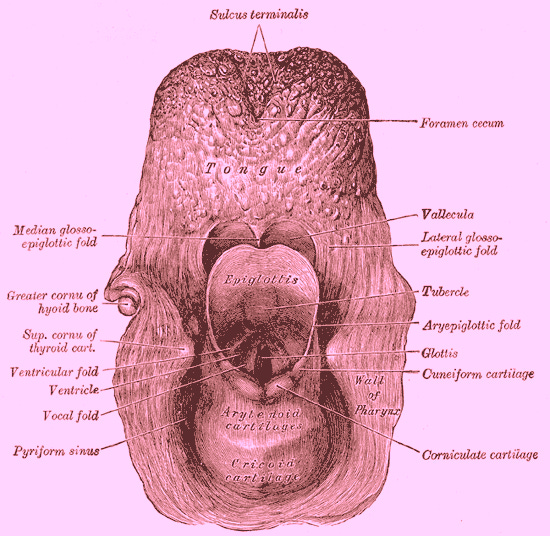
“Return to the umbilical tongue. To vesicles of present breath. Swallow bits of tenderness. Bring yourself back to the earth.”
Precious Okoyomon
…
the umbilical tongue
some words do not fit tongues easily
some tongues cannot form certain words
some are stolen tongues
swollen tongues
diseased tongues
silent tongues … and those silencing
there are tongues that lash and caress
the mother tongue
the other tongue
there are forked tongues … sssss
there is tongue-wagging … gossip
tongue twisters
tongues of fire
truth to be told tongues
muse (verb) tongues
vertical tongues from the deep below to the high above
mindless tongues
tongues that reveal patterns
tongues that watch and listen
tongues of forgetfulness
tongue that remember
…
all they say and do not say
all that had not been heard
tongues ripped out
cut off
the radical ones
those that spoke out
tongues of memory
tongues of imagination
tongues of love
of flow
tongues that sing
tongues that are free
tongues that make others free
tongues that invent
…
“Wild tongues cannot be tamed, they can only be cut out.”
Gloria Anzaldúa
WOMENS VOICES
Harriet Tubman (c. 1822–1913): Escaped slavery and risked her life repeatedly on the Underground Railroad, later serving as a scout and spy for the Union Army.
Sojourner Truth (c. 19.97–1883): Born into slavery, she became a powerful abolitionist and women’s rights orator, famous for her “Ain’t I a Woman?” speech.
Rosa Parks (1913–2005): Sparked the 1955 Montgomery bus boycott by refusing to give up her seat, becoming a foundational symbol of the U.S. civil rights movement.
Ida B. Wells (1862–1931): An investigative journalist and early leader in the civil rights movement who documented and fought against the lynching of African Americans.
Suffrage and Women’s Rights
Susan B. Anthony (1820–1906): Campaigned tirelessly for women’s suffrage, abolition, and equal rights, famously getting arrested for voting in 1872.
Elizabeth Cady Stanton (1815–1902): A primary organiser of the 1848 Seneca Falls Convention and a leading philosopher of the early women’s rights movement.
Alice Paul (1885–1977): Led radical and uncompromising strategies—including parades, white-house pickets, and hunger strikes—that helped secure the 19th Amendment in the U.S.
Vida Goldstein (1869–1949): An Australian pioneer who campaigned for women’s suffrage, social reform, and pacifism, becoming one of the first women to stand for the British Empire’s federal parliament.
Modern Human Rights and Education
Malala Yousafzai (born 1997): Survived a targeted assassination attempt by the Taliban at age 15 for advocating for girls’ education. She became the youngest-ever Nobel Peace Prize laureate in 2014.
Nadia Murad (born 1993): An Iraqi Yazidi human rights activist who survived ISIS captivity and became a global advocate for survivors of genocide and sexual violence, winning the Nobel Peace Prize in 2018.
Amelia Jenks Bloomer (1818–1894): Promoted women’s rights by popularising bloomers as a symbol of freedom, editing the female-run newspaper The Lily, and campaigning for temperance and abolition.
Elizabeth Cady Stanton (1815–1902): Co-organised the historic Seneca Falls Convention, drafted early suffrage legislation, and petitioned Congress to secure women’s legal right to vote.
Susan B. Anthony (1820–1906): Travelled the country campaigning for women’s suffrage, famously faced arrest for attempting to vote in 1872, and petitioned Congress for over 30 years.
Ida B. Wells-Barnett (1862–1931): Used investigative journalism to fight against lynching and braved discrimination to march in the 1913 women’s suffrage parade.
Mary Church Terrell (1863–1954): Co-founded the National Association of Colored Women and fought for racial and gender equality through community organising and White House pickets.
Alice Paul (1885–1977): Organised the landmark 1913 Woman Suffrage Parade, picketed the White House, and later drafted the Equal Rights Amendment of 1921.
“I have come to believe over and over again that what is most important to me must be spoken, made verbal and shared, even at the risk of having it bruised or misunderstood by a different tongue.”
Audre Lorde:
Betty Friedan (1921–2006): Sparked the modern feminist movement with her book The Feminine Mystique and co-founded the National Organisation for Women to combat workplace discrimination.
Coretta Scott King (1927–2006): Partnered in the civil rights movement, organised nonviolent protests, and spent her life advocating for peace, women’s rights, and LGBTQ+ equality.
Dolores Huerta (1930– ): Co-founded the National Farm Workers Association, challenged gender discrimination in labor movements, and received the Presidential Medal of Freedom.
Gloria Steinem (1934– ): Co-founded Ms. magazine and assembled influential feminist political groups to advocate for women’s rights through journalism and grassroots action.
Isabel Allende (1942– ): Wrote over 20 barrier-breaking books centred on female empowerment and established a foundation dedicated to protecting women and girls.
Wilma Mankiller (1945–2010): Served as the first female principal chief of the Cherokee Nation, focusing her tenure on community development, education, and healthcare.
Tarana Burke (1973– ): Founded the global #MeToo movement to support survivors of sexual violence, sparking a viral worldwide community focused on healing and justice.
Emmeline Pankhurst (1858–1928): Founded the British Women’s Social and Political Union, leading militant campaigns under the motto “deeds, not words” to win equal voting rights.
Ruth Bader Ginsburg (1933–2020): Championed legal gender equality as an attorney, argued landmark discrimination cases before the Supreme Court, and served as its second female justice.
Audre Lorde (1934–1992): Described herself as a “black, lesbian, mother, warrior, poet,” using her powerful essays and speeches to confront intersectional racism, sexism, and homophobia.
bell hooks (1952–2021): Published groundbreaking works like Ain’t I a Woman?, speaking out against the exclusion of Black and working-class women from mainstream feminist movements.
Wangari Maathai (1940–2011): Founded the Green Belt Movement in Kenya, connecting environmental conservation with women’s rights and democracy, becoming the first African woman to win the Nobel Peace Prize.
Chimamanda Ngozi Adichie (1977– ): Authored the globally influential essay We Should All Be Feminists, using literature and public speaking to reframe modern intersections of gender and identity.
“I raise up my voice—not so that I can shout, but so that those without a voice can be heard.”
Malala Yousafzai
Historical Trail-Blazers (Non-American)
Mary Wollstonecraft (1759–1797): An English philosopher who authored A Vindication of the Rights of Woman, pioneering the foundational argument that women deserve equal education and fundamental human rights.
Ichikawa Fusae (1893–1981): A Japanese politician and peace activist who spearheaded Japan’s women’s suffrage movement, successfully securing women’s right to vote in 1945.
Funmilayo Ransome-Kuti (1900–1978): A Nigerian educator and suffragist who founded the Abeokuta Women’s Union, successfully leading mass protests against colonial taxes and fighting for women’s political representation.
Simone de Beauvoir (1908–1986): A French intellectual and writer whose monumental 1949 text The Second Sex laid the philosophical groundwork for modern second-wave feminism worldwide.
Contemporary Modern Voices (Non-American)
Leymah Gbowee (1972– ): A Liberian peace activist who united Christian and Muslim women in a nonviolent mass movement to end Liberia’s brutal civil war, earning a Nobel Peace Prize.
Mona Eltahawy (1967– ): An Egyptian-British journalist and fierce public orator who campaigns globally against institutionalised patriarchy and misogyny, specifically focusing on women’s rights in the Middle East.
Jacinda Ardern (1980– ): A former Prime Minister of New Zealand who championed closing the gender pay gap, expanded paid parental leave, and pioneered a globally recognised model of empathetic female leadership.
Noura Ghazi (1981– ): A Syrian human rights lawyer and activist who risks her safety to provide free legal aid to political prisoners and advocates internationally for women affected by the Syrian conflict.
Aboriginal Trail-Blazers and Modern Voices
Pearl Gibbs (1901–1983): A prominent Aboriginal activist who co-organised the historic 1938 Day of Mourning protest, became the first woman to give a radio broadcast on Indigenous rights, and spent decades demanding the abolition of the oppressive Aboriginal Protection Board.
Margaret Tucker (1904–1996): A Yorta Yorta survivor of the Stolen Generations who co-founded the United Council of Aboriginal and Islander Women, campaigned relentlessly for Indigenous voting rights, and published one of the first autobiographies detailing the Indigenous female experience.
Shirley Colleen Smith / “Mum Shirl” (1924–1998): A celebrated Wiradjuri humanitarian and social worker who co-founded vital community infrastructure including the Aboriginal Legal Service, Medical Service, and the Aboriginal Children’s Service to advocate for families and prisoners.
Professor Megan Davis (1975– ): A Cobble Cobble woman and international human rights lawyer who served as a crucial architect of the Uluru Statement from the Heart, advocating globally for the constitutional recognition and empowerment of First Nations people.
Māori Trail-Blazers and Modern Voices
Meri Te Tai Mangakāhia (1868–1920): A pioneering suffragist who, in 1893, became the first woman to address the Kotahitanga (Māori Parliament), fiercely demanding that Māori women receive both the right to vote and the right to stand as political members.
Dame Whina Cooper (1895–1994): A revered community leader designated as Te Whaea o te Motu (”Mother of the Nation”), who famously led the gruelling 1975 Māori Land March across 1,100 kilometres to protest the historic, unjust confiscation of Indigenous lands.
Eva Rickard (1925–1997): A passionate land-rights defender who led a high-profile, decades-long occupation of the Raglan golf course to successfully reclaim ancestral burial grounds that had been seized by the government during World War II.
Dr. Moana Jackson (1945–2022): A brilliant legal scholar and activist who conceptualised mana wāhine (the intersecting political and spiritual power of Māori women) within modern activism, fighting to dismantle colonial bias and institutional racism in the justice system.
Trailblazers in Arts and Literature
Frida Kahlo (1907–1954): Created uncompromising, deeply personal self-portraits that explored indigenous Mexican identity, gender boundaries, pain, and the raw female experience.
Virginia Woolf (1882–1941): Revolutionised modern literature with her stream-of-consciousness writing style and penned A Room of One’s Own, advocating for financial and intellectual independence for female writers.
Toni Morrison (1931–2019): Authored masterpieces like Beloved to give voice to the complex inner lives of Black women, becoming the first Black woman to win the Nobel Prize in Literature.
Oodgeroo Noonuccal / Kath Walker (1920–1993): An Australian poet who became the first published Aboriginal author, using her powerful poetry and literature to advocate globally for Indigenous rights.
Artemisia Gentileschi (1593–c.1656): Overcame systemic barriers and personal trauma to become a celebrated Italian Baroque painter, renowned for depicting powerful, defiant women in biblical and historical scenes.
Maya Angelou (1928–2014): Published the acclaimed autobiography I Know Why the Caged Bird Sings, using her lyrical poetry and literature to confront racism, sexism, and personal trauma.
Margaret Atwood (1939– ): Wrote the seminal dystopian novel The Handmaid’s Tale, using speculative fiction and poetry to critique institutionalised control over women’s bodies and reproductive rights.
Arundhati Roy (1961– ): Won the Booker Prize for her novel The God of Small Things and uses her literary platform to speak out against environmental destruction and social inequality fiercely.
Gertrude Stein (1874–1946): Avant-garde writer and thinker, writing a philosophy of language through sound. Hosted an influential Paris salon that nurtured the careers of modern art masters, pioneered radical avant-garde art and literature, and famously coined the term “Lost Generation.”
Ada Lovelace (1815–1852): Wrote the world’s first machine algorithm for Charles Babbage’s mechanical computer, earning recognition as the first computer programmer in history.
Marie Curie (1867–1934): Discovered radioactivity, isolated new scientific elements, and became the first person to win two Nobel Prizes across separate fields of physics and chemistry.
Dr. Chien-Shiung Wu (1912–1997): Conducted the landmark physics experiment that disproved a fundamental law of conservation, earning her the title “First Lady of Physics”.
Rosalind Franklin (1920–1958): Captured the crucial X-ray photograph that revealed the double-helix structure of DNA, providing the foundation for modern genetics and molecular biology.
Katherine Johnson (1918–2020): Calculated the critical orbital trajectories for NASA’s earliest crewed spaceflights, overcoming intense racial and gender discrimination to ensure safe moon landings.
Dr. Tu Youyou (1930– ): Discovered the breakthrough malaria treatment artemisinin by researching ancient herbal remedies, saving millions of lives worldwide and winning a Nobel Prize.
Dr. Gladys West (1930– ): Programmed the highly complex satellite models of Earth’s shape that directly enabled the development of modern Global Positioning System (GPS) technology.
Dr. Jane Goodall (1934– ): Revolutionised the scientific understanding of primatology and evolution through her decades-long study of chimpanzees, redefining the scientific boundary between humans and animals.
… plus plus plus …
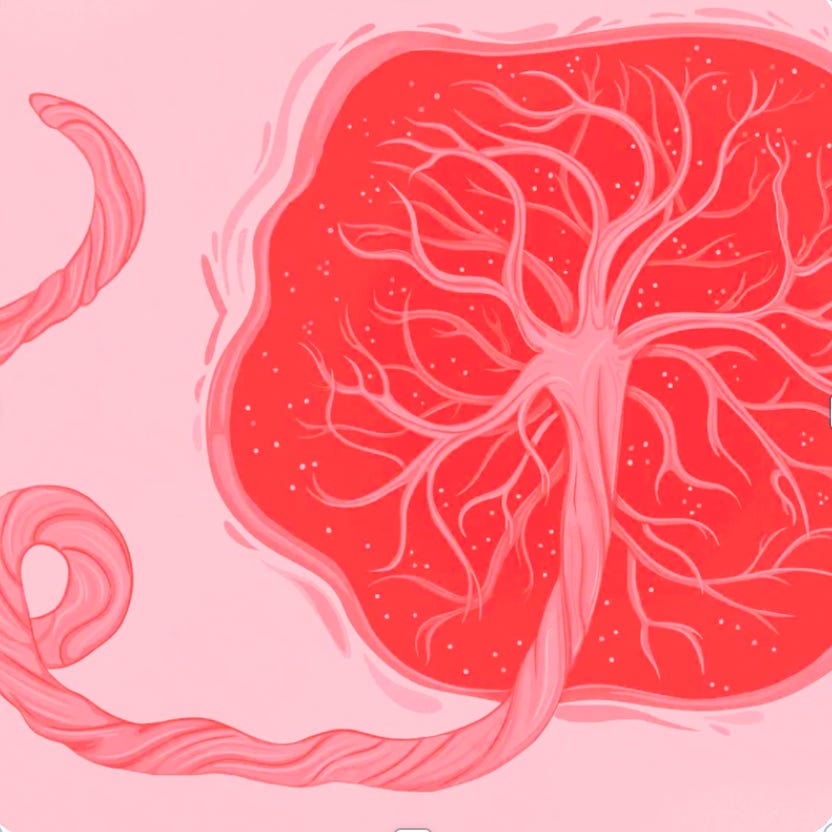
Notes: The phrase "umbilical tongue" is a visceral and evocative concept used by myself and other contemporary feminist artists, poets, and theorists to describe a deeply rooted, ancestral, or instinctual way of speaking. It bridges the ideas of the "mother tongue" (native language) and the literal umbilical cord, representing speech that feeds us, binds us to our origins, or must be severed to achieve independence.
Precious Okoyomon: “Return back to the umbilical tongue. / To vesicles of present breath. / Swallow bits of tenderness. / Bring yourself back to the earth.”
(From the poem “The World Is Breaking in Flowers the Breath of Things,” published in the New York Times Magazine)
Click here for more details on this project.
I am a feminist theorist and poet working at the blood-edge of language. I’m writing on ‘other’ oraculars and developing placental language theory: examining how we spoke before symbolic order, through biochemical negotiation and umbilical tongue. I name what’s found there LOVE, as soundage - a love that, through the imaginal and the matrixial, acts as a material acoustic ‘becoming’ space. Women’s voices, the unsaid/unheard, other oraculars, the monstrous reclaimed, plus more, can all be found and ‘listened’ for here. Overall, my work is research-led poetry. It is transdisciplinary. It is always speculative. It is always a cultural criticism, one that refuses the cut between body and word—the whole lot.
Did I say … I am presently also working on the frame and implications of Placental Language …
#placentallanguage #umbilicaltongue #soundage #feministtheory #feministpoetics, #écritureféminine #philosophyoflanguage #womenwriters #womenphilosopherse #avantgardepoetry #feminist philosophy #thinkingwomen
© 2026 Dr. Majena Mafe. All Rights Reserved.
&
What a great work this is. I very much enjoyed reading this rich tapestry of women weaving the new world. Though I must say you forgot to add yourself to this list, pioneering new frontiers and all. Thank you for what you do and contribute.